
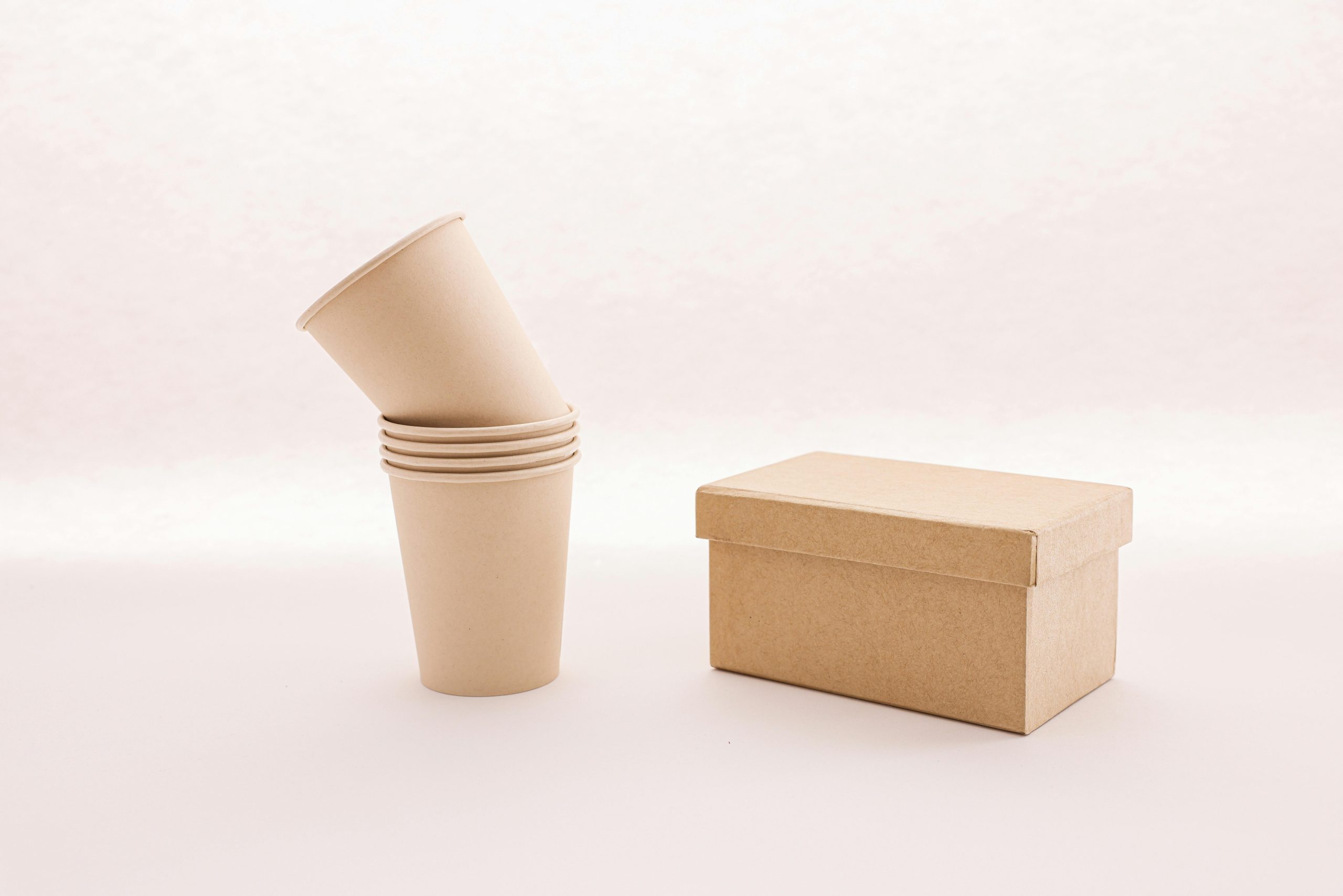

Your packaging says a great deal about your brand. Before a customer opens the box, they have already built an opinion. And today, more people care about the material of that box than they did before.
Actually, this is no longer only about appearance. Customers want proof that you care. Sustainable packaging helps that message come through fast.
What Materials Are Out There?
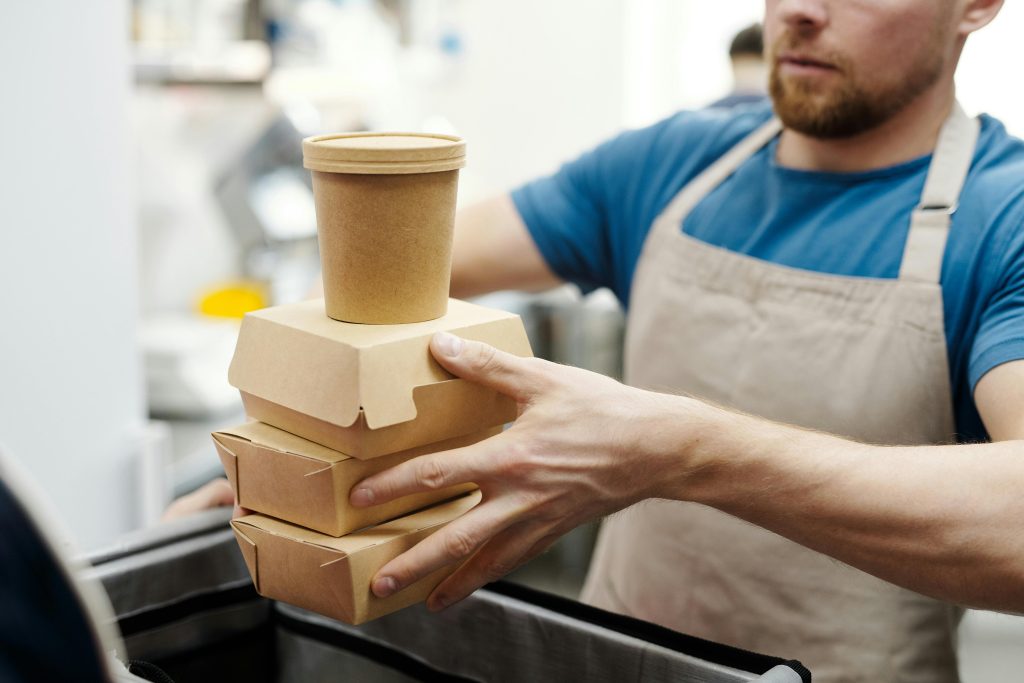
There are a few solid options worth knowing:
- Compostable materials: These help break down waste naturally. This would include plant-based containers and paper cups.
- Recycled materials: Old paper, cardboard, and some plastics get a second life here—a good pick for brands that want to cut down on new resource use.
- Biodegradable plastics: These types of plastic break down more quickly than regular plastics. They are used for lightweight food containers and food wrapping.
- Minimalist packaging: Using fewer materials while still being effective. This keeps the overall waste lower.
No material is perfect for every situation; however, all of these options work well in different scenarios.
The Tradeoffs Are Real
Sustainable packaging typically will cost more. A compostable container can cost more than a standard plastic one. This can be painful for small businesses that are careful with each cent.
There is a positive side, however. Eco-friendly packaging increases customer loyalty among many brands that have adopted it. One particular café chain that switched to compostable cups saw repeat customer numbers increase by 30%. This is significant.
A few other tradeoffs worth noting:
- Some compostable options aren’t suitable for hot and greasy food. So you need to test before settling on a particular option.
- Recycled packaging can sometimes look less polished. So, try to get a good design to help fix that.
- Biodegradable plastics still need the right conditions to break down. They won’t just vanish overnight.
The trade-offs mentioned above are positive rather than negative, and with proper planning, they are manageable.
How It Shapes Brand Perception
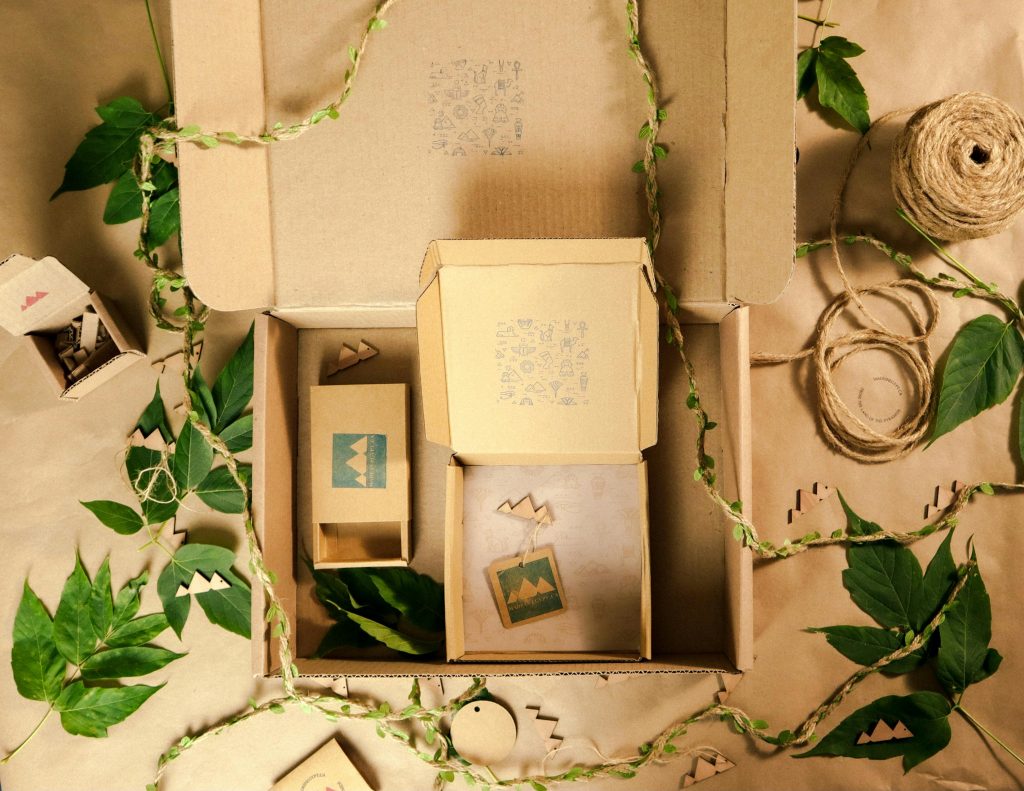
People notice more than you may expect. Studies show that about 70% of customers are more likely to recommend a brand that uses sustainable practices. That gives your business strong word-of-mouth support for making a responsible move.
See it this way. When someone gets food in a clean, simple, eco-friendly container, it sends a clear message. It shows that your brand is paying attention. It also shows that corners are not being cut on important details.
A restaurant group that switched to recycled packaging saw a big increase in positive online reviews. Customers kept mentioning the packaging again and again. That kind of response is valuable for any brand.
Sustainable packaging also gives your brand a way to stand out. In a crowded market, small details can shape how people choose. Your packaging might be the reason someone chooses you over a competitor.
A Few Trends to Watch
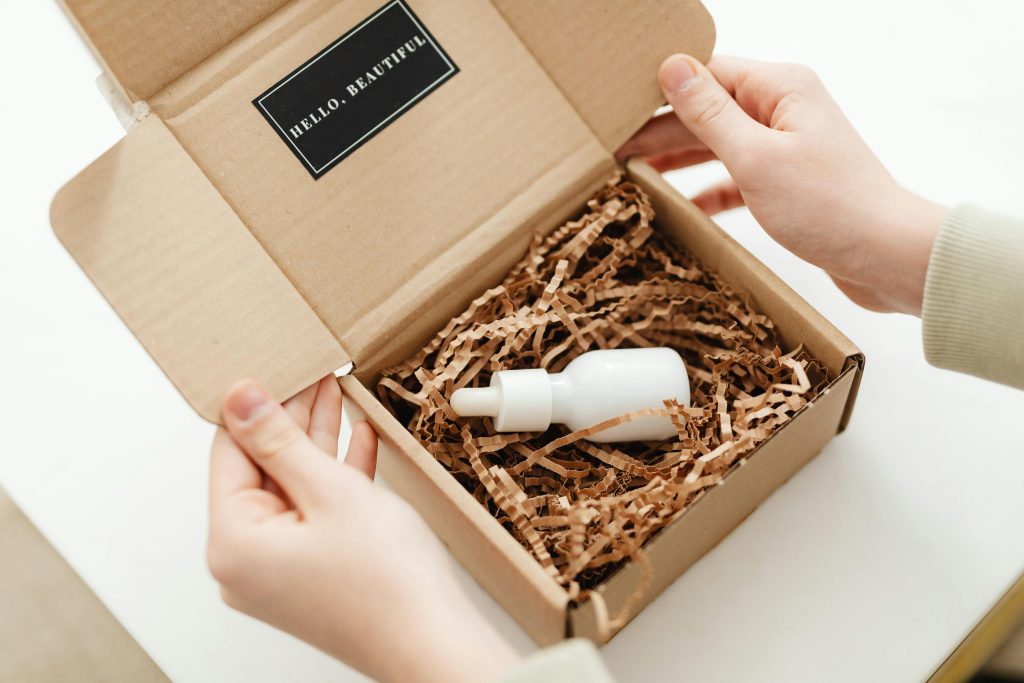
The space keeps shifting. Here are a few trends brands are starting to follow:
- Minimalist design: Less ink. Less material. Greater impact.
- Upcycled packaging: Brands turn waste products into new packaging. That means less is wasted.
- Smart packaging: Some brands now add tech to track freshness and lower food waste.
These choices help the planet. At the same time, they give your brand a fresh and modern style that customers like.
The Bottom Line
Sustainable packaging takes careful effort. It also involves some trial and error. But the return in customer trust and brand loyalty is worth it. Start small if that works better for you. Pick one area to change and then see how your customers respond.
In many cases, they will love it.